granny flat builders https://www.prevailinghomes.com.au/
Granny flat builders are specialists in designing and constructing secondary dwellings that sit on the same property as a primary residence. Whether you are considering a detached studio, a self-contained one-bedroom unit, or an accessible suite for an aging relative, working with experienced builders can simplify the journey from concept to completion. The right builder brings local knowledge of regulations, efficient design solutions, reliable subcontractors, and a clear understanding of how to maximize usable space without compromising comfort or compliance.
One of the first decisions homeowners face is whether to pursue a custom design or a prefabricated solution. Custom builds allow tailored layouts, materials, and finishes that match your property and lifestyle. Prefabricated and modular options, offered by many granny flat builders, reduce on-site labor, shorten construction timelines, and can be more cost-effective. A reputable builder will explain the trade-offs between customization and cost, helping you choose an approach that fits your budget and timeline while meeting council requirements.
Local planning rules and building codes heavily influence granny flat projects. Councils often regulate minimum lot sizes, setbacks, maximum floor area, and parking requirements. A professional builder experienced with local approvals will manage documentation, prepare plans for submission, and liaise with certifiers. This avoids common pitfalls like non-compliant designs or unexpected delays. Before signing any contract, confirm that your chosen builder will coordinate approvals or clearly outline which approvals you are responsible for.
Budgeting for a granny flat involves more than just construction costs. Land preparation, site access improvements, utility connections (water, sewer, electricity), and potential landscaping should all be included. Many builders provide a detailed cost estimate that separates fixed items from variable costs such as finishes, appliances, and bespoke fixtures. Ask for a transparent breakdown and contingency allowances to cover unforeseen site conditions or minor design changes during construction.
Design considerations for granny flats typically focus on functionality, accessibility, and energy efficiency. Open-plan living with combined kitchen and living spaces makes small footprints feel larger, while clever storage solutions and multi-purpose furniture enhance livability. If the granny flat will house an elderly occupant, prioritize single-level access, wider doorways, non-slip flooring, and bathroom grab rails. Energy-efficient insulation, glazing, and appliances reduce ongoing costs and improve comfort—features many granny flat builders now include as standard options.
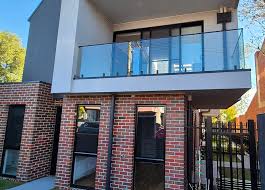
Quality of construction and materials determines both the longevity of the granny flat and its ongoing maintenance needs. Seek builders who use proven construction methods, reputable suppliers, and licensed tradespeople. Visit completed projects or request client references to review workmanship and communication. A good builder will offer warranties on structural elements and explain maintenance responsibilities for both the builder and homeowner after handover.
Timeline expectations vary by project complexity and council processes, but a typical granny flat can take anywhere from a few months for a modular unit to six months or more for a fully custom build. Early stages—design development and approvals—often take longer than the physical build. Keep communication channels open and request a realistic schedule with key milestones. Builders who provide regular progress reports and clear points of contact reduce stress and help the project stay on track.
Choosing the right granny flat builders requires careful vetting. Check for relevant licenses and insurance, examine portfolios, and compare multiple quotes. Beware of unusually low bids that may cut corners or omit essential inclusions. A comprehensive written contract should specify scope, materials, timelines, payment schedules, and dispute resolution terms. Consider engaging an independent building consultant or architect to review plans and contract documents if you are unfamiliar with construction specifics.
Financing and return on investment are important considerations. Granny flats can increase property value and provide rental income, but outcomes depend on location, design, and tenant demand. Some homeowners finance construction through home equity loans, construction loans, or savings. Speak with financial advisors or mortgage brokers to understand options and any impacts on taxes, insurance, and long-term property planning.
Sustainability and future-proofing add value beyond the immediate benefits. Solar power, rainwater harvesting, efficient appliances, and high-performance insulation reduce operating costs and appeal to environmentally conscious tenants. Flexible designs that allow conversion for different uses—guest house, rental, home office, or live-in care—improve adaptability as family needs change. Many granny flat builders now offer green building packages or can integrate sustainable features with minimal extra cost.
Communication and collaboration between homeowners and builders are central to a successful project. Establish clear lines of responsibility and regular check-ins throughout the build. Make decisions about finishes and fixtures early to avoid delays, and document any changes to scope to keep budgets and timelines accurate. Respectful, transparent partnerships lead to smoother builds and better end results.
Finally, think long-term about how the granny flat will fit with your overall property goals. Whether intended for family support, rental income, or future downsizing, a well-built granny flat enhances lifestyle options and asset value. By choosing experienced granny flat builders who combine technical skill, local knowledge, and clear communication, homeowners can realize practical, attractive secondary dwellings that meet today’s needs and adapt to tomorrow’s changes.